


How you can Catch Device Insurance Fraud (and Prevent it in Real Time)
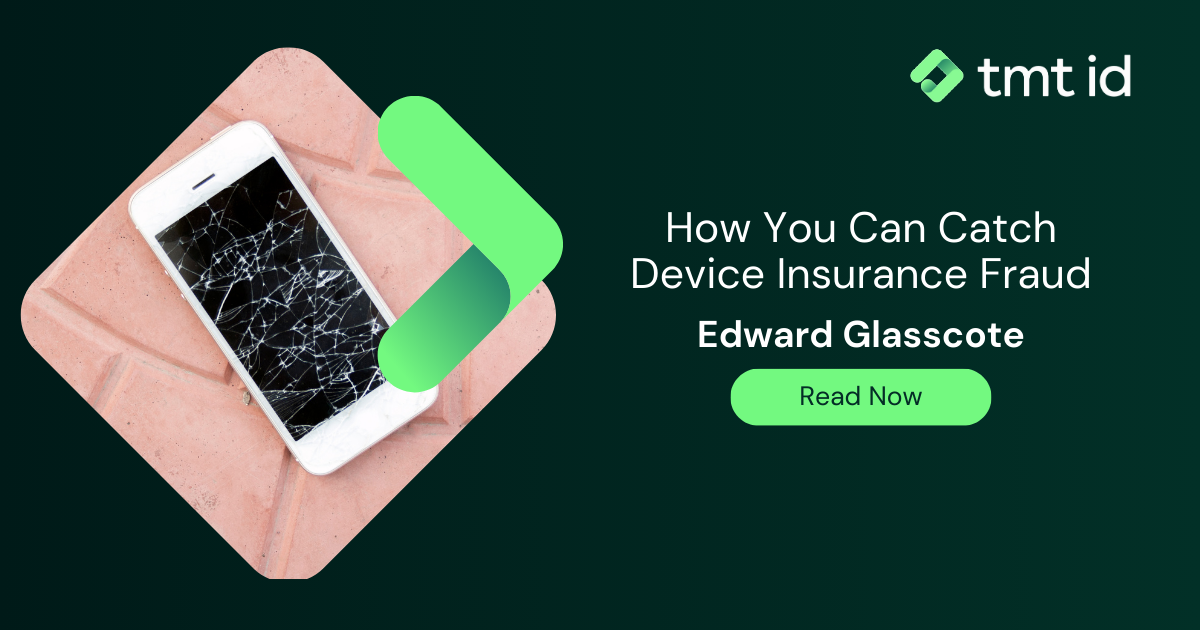
The rising cost of device insurance fraud
Device insurance fraud has become a growing challenge for insurers worldwide. What was once limited to opportunistic false claims has evolved into a sophisticated ecosystem of organised fraud, synthetic identities, and repeat offenders exploiting gaps in verification processes.
For insurers, the impact is significant, ranging from increased claims costs and operational inefficiencies to reputational damage and higher premiums for genuine customers. Traditional fraud detection methods such as manual reviews, document checks, and post-claim investigations are struggling to keep pace. Fraudsters are faster, more coordinated, and increasingly able to bypass outdated systems.
To stay ahead, insurers need a smarter approach — one that focuses on detecting fraud early and preventing it before a claim is paid.
What is device insurance fraud?
Device insurance fraud occurs when an individual deliberately makes a false or exaggerated claim relating to a mobile device, such as a smartphone or tablet, in order to receive a payout or replacement.
This can happen at different stages of the insurance lifecycle, from policy sign-up to claims submission, and often involves misrepresentation of ownership, device status, or circumstances of loss.
Common types of device insurance fraud
While tactics continue to evolve, several common fraud patterns persist:
False theft or loss claims
Claiming a device has been lost or stolen when it is still in the policyholder’s possession.
Intentional damage
Deliberately damaging a device to trigger a replacement under insurance coverage.
Multiple claims abuse
Making repeated claims across different policies or providers using the same device or identity.
Policy fraud at onboarding
Using fake, stolen, or synthetic identities to take out insurance policies with the intention of claiming later.
SIM swap and account takeover fraud
Fraudsters take control of a mobile number to manipulate account access or support fraudulent claims.
Why traditional fraud checks fall short
Many insurers still rely on legacy fraud detection techniques, including:
- Manual claims assessment
- Document verification
- Rule-based fraud detection systems
While these methods have value, they are often reactive rather than proactive, dependent on static or outdated data, and resource-intensive and slow to scale.
Fraudsters exploit these weaknesses by using real-time tactics such as recently activated numbers, SIM swaps, or short-lived identities that are difficult to detect using traditional tools.
How to detect device insurance fraud
To effectively catch fraud, insurers need to adopt a multi-layered approach that combines behavioural insights, data validation, and real-time intelligence.
1. Verify customer identity at onboarding
Ensuring that the policyholder is genuine from the outset reduces the risk of fraudulent policies entering the system.
2. Monitor mobile number activity
Mobile numbers can reveal important signals, such as whether a number is active, recently changed, or potentially high risk.
3. Detect SIM swap events
A sudden change in SIM ownership may indicate account takeover or fraudulent intent.
4. Analyse claim behaviour
Patterns such as frequent claims, mismatched data, or inconsistencies in reporting can signal fraud.
5. Use real-time data sources
The most effective fraud detection strategies rely on live data, not static snapshots.
How mobile intelligence transforms fraud detection
Mobile numbers are one of the most reliable digital identifiers available today. Unlike email addresses or documents, they are directly linked to real-world usage and network activity.
By leveraging mobile network intelligence, insurers gain access to real-time insights such as:
- Whether a number is active and valid
- How long it has been in use
- Whether it has recently changed ownership
- Indicators of suspicious or high-risk behaviour
This allows insurers to move from reactive fraud detection to proactive fraud prevention, stopping fraudulent activity before it leads to financial loss.
How Verify helps insurers prevent device insurance fraud
Modern fraud challenges require modern solutions. Verify, developed by TMT ID, enables insurers to validate mobile identity and detect risk using real-time network data. Instead of relying on static checks, Verify provides live intelligence about mobile numbers, helping insurers make faster and more accurate decisions.
Key capabilities
- Identity validation at onboarding: confirms that the mobile number is genuinely linked to the policyholder, reducing the risk of fake or synthetic identities.
- Detection of high-risk numbers: flags numbers that show characteristics commonly associated with fraud, such as recent activation or irregular usage.
- SIM swap and number change detection: identifies sudden changes in ownership that may indicate account takeover or fraudulent claims.
- Real-time data validation: ensures policyholder information remains accurate and up to date throughout the customer lifecycle.
- Support for claims verification: provides additional intelligence to validate whether a claim is consistent with real-world device and number activity.
By integrating these capabilities, insurers can significantly reduce fraud exposure while maintaining a seamless customer experience.
Verify benefits for insurance providers
| Capability | Benefit for insurers | Business impact |
|---|---|---|
| Real-time mobile number validation | Confirms genuine customers instantly | Reduces fraudulent policy sign-ups |
| SIM swap detection | Identifies suspicious account activity | Prevents account takeover fraud |
| Number status and activity checks | Verifies active and legitimate numbers | Improves claims accuracy |
| Risk scoring | Flags high-risk users early | Enables smarter underwriting |
| Device intelligence signals | Supports validation of device-related claims | Reduces false loss and theft claims |
| Frictionless verification | No OTPs or manual checks required | Improves customer experience |
Key takeaways for insurers
- Device insurance fraud is increasing in scale and sophistication.
- Traditional detection methods are no longer sufficient on their own.
- Mobile intelligence provides powerful, real-time fraud signals.
- Early detection, especially at onboarding, is critical.
- Verify enables proactive fraud prevention without adding friction.
Moving from detection to prevention
Catching device insurance fraud is no longer just about identifying suspicious claims after they happen — it’s about preventing fraud before it enters your system. As fraud tactics continue to evolve, insurers must adopt solutions that provide real-time, data-driven insights and enable faster, more confident decision-making.
By leveraging mobile intelligence through solutions like Verify, insurers can:
- Reduce fraud-related losses
- Improve operational efficiency
- Enhance trust with genuine customers
- Future-proof their fraud prevention strategy
The most effective insurers are no longer reacting to fraud — they are stopping it before it starts. If you would like to use MNO data to detect fraud in your business, please get in touch. You can also read more about the future of device insurance in our related article.
Last updated on October 30, 2026